Although perhaps not known for it in some parts of the world, Chile is a country where immigrants have made huge contributions, from the foundation of Protestant and Orthodox churches in Chilean cities to the creation of businesses and prominence in government and the military. For example, Chile’s founding father and first president, Bernardo O’Higgins, was descended from a long line of Irish nobles. German immigrants have also made a huge impact in Chile, with a number of German pubs and restaurants available in both Viña and Valpo. One of Chile’s most popular beers, Kunstmann, was started up by a family of German Chileans. Immigrants have also contributed to football in Chile. Clubs started by immigrants include Unión Española, Audax Italiano, Palestino and Viña’s local football team, Everton, named after the club from Merseyside by a group of English immigrants. What I did not appreciate however is how much immigrants from my own country, Scotland, had contributed to Chile.
The idea to find out about the Scottish diaspora in Chile came about in two ways. Firstly, whilst taking an Uber from Viña to Valpo, I heard the song ‘Closer’ by Travis, a Scottish band, come on the radio. Secondly, during a visit to the university gym, an Irish dancer was practising, with the music she was dancing to being almost identical to the folk music in Scotland. When I spoke to her afterwards and told her I was from Scotland, her eyes lit up and she told me she was able to do some Scottish Highland dancing routines as well as Irish.
History had always been one of my favourite subjects at school. One of the topics we studied for Intermediate 2 History (the equivalent of GCSE or 10th Grade) was emigration from Scotland to other parts of the world. Most of the countries we were taught about were countries in the Anglosphere such as Canada, Australia, New Zealand and the USA. Therefore when I found out that Scots had had a large presence in Chile, a Spanish-speaking country on the other side of the world, I was most intrigued.
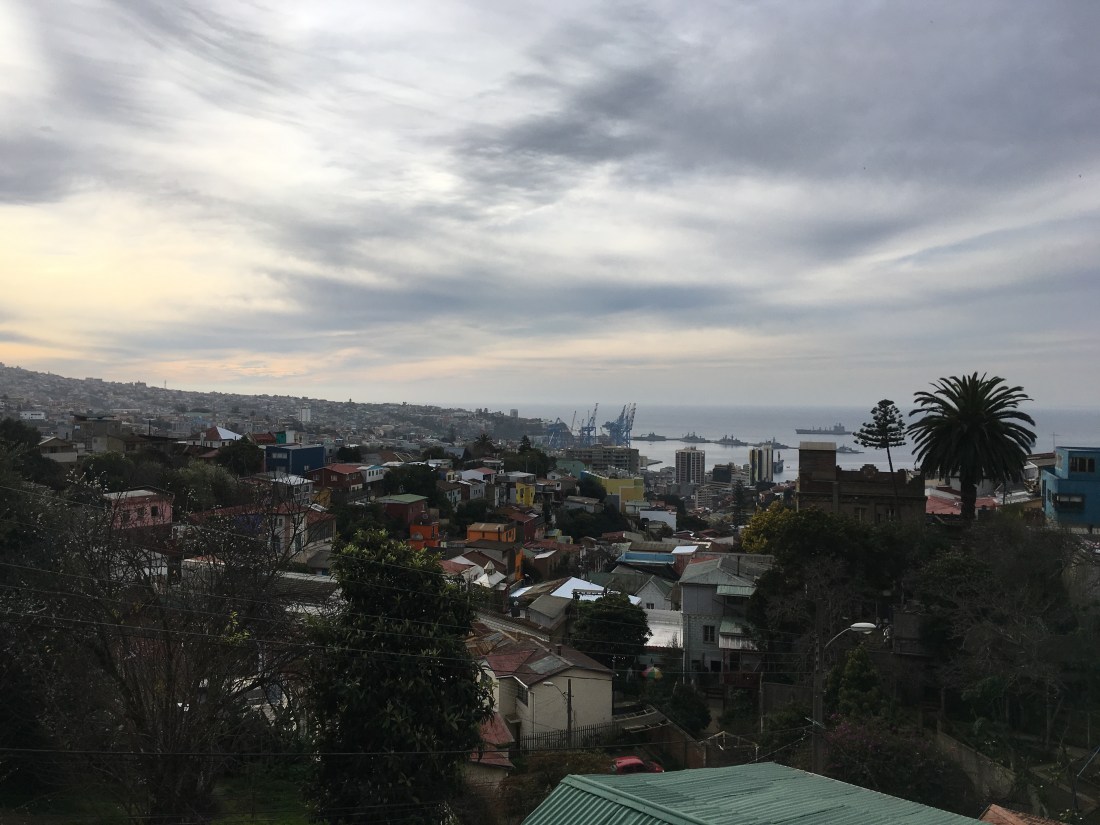
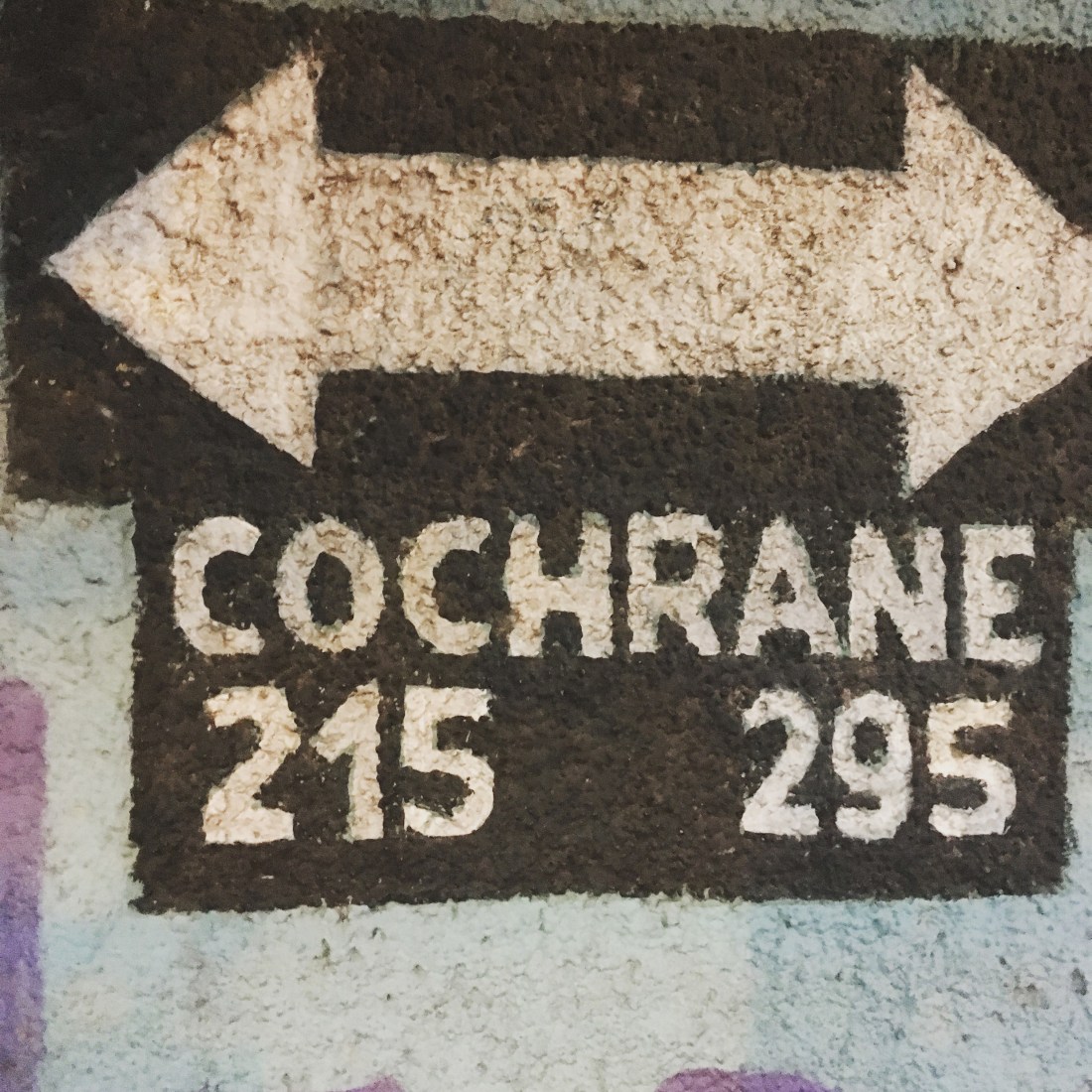
Thomas Cochrane was probably the most famous Scot to have made his mark on Chile. Born near Hamilton, he became an admiral in the Royal Navy. However, he left Britain in disgrace after committing fraud and sailed to Chile, arriving in Valparaiso in 1818 with his wife and children. Chile at the time was preparing its navy to fight Spain for in order to obtain Chile’s independence. Cochrane became a naturalized citizen by decree from President O’Higgins and given the rank of Vice Admiral. He ended his service to Chile in 1822, after which he served in the Brazilian Navy before returning to the Royal Navy in Britain.
One day, whilst walking down Avenida Libertad, one of the main streets in Viña, I noticed a BMW garage by the name of ‘Williamson-Balfour’. I remarked to my myself that it was a very Anglophone surname for a Chilean car dealership. Curious, I googled the name ‘Williamson-Balfour’ when I got back to my room and found that Williamson-Balfour was a wool company that although transported wool from Chile to England and the United States, was owned by two Scots, Stephen Williamson and Alexander Balfour. However, the Chilean Government eventually revoked their license to sheep farm on Easter Island. Today, however, Williamson-Balfour is a car dealership company, selling BMW and Rolls-Royce cars.
To the north of Viña, lies the town of Reñaca. Like Viña, it is a resort town, but much smaller. Reñaca is home to one of the most prestigious schools in the Valparaiso Region, The Mackay School. The all-boys school was founded in 1857 as the Valparaiso Artizan School by Scotsman Peter Mackay. The school was originally based in Cerro Alegre, Valparaiso and was established in order to educate the sons of Scottish immigrants who had come to work in the factories and railways. In 1871, the school started accepting non-English speak students. To this day, the school is a Spanish-English bilingual school. The Mackay School plays host to an annual Rugby Sevens tournament, which is held in Viña del Mar every January.
Finally, I cannot write about Scots in Chile without mentioning Alexander Selkirk. Selkirk spent five years marooned on an uninhabited island known to the Spanish as ‘Más a Tierra’ (‘Closer to land’ in English) off the coast of Chile. He survived on turnips, peppers, cabbage, goat meat and goats’ milk. He was eventually rescued in 1709, after which he returned home and spoke of his adventures. His stories were used as the inspiration for Daniel Defoe’s Robinson Crusoe, one of the classics of English literature. To honour this, the Chilean Government renamed Más a Tierra ‘Isla Robinson Crusoe’ (Robinson Crusoe Island) in 1966.
With the impact of Scots on Chile’s past and present, I feel I have made a fantastic choice by choosing to study abroad in Chile and it has made me feel at home. It has also given me increased pride in my Scottish identity despite the fact I am thousands of miles away from Scotland’s shores. I hope that more Scots will discover and learn more about Scottish contributions in Chile and across South America as a whole.

 Hugh's Voyages and Discoveries